
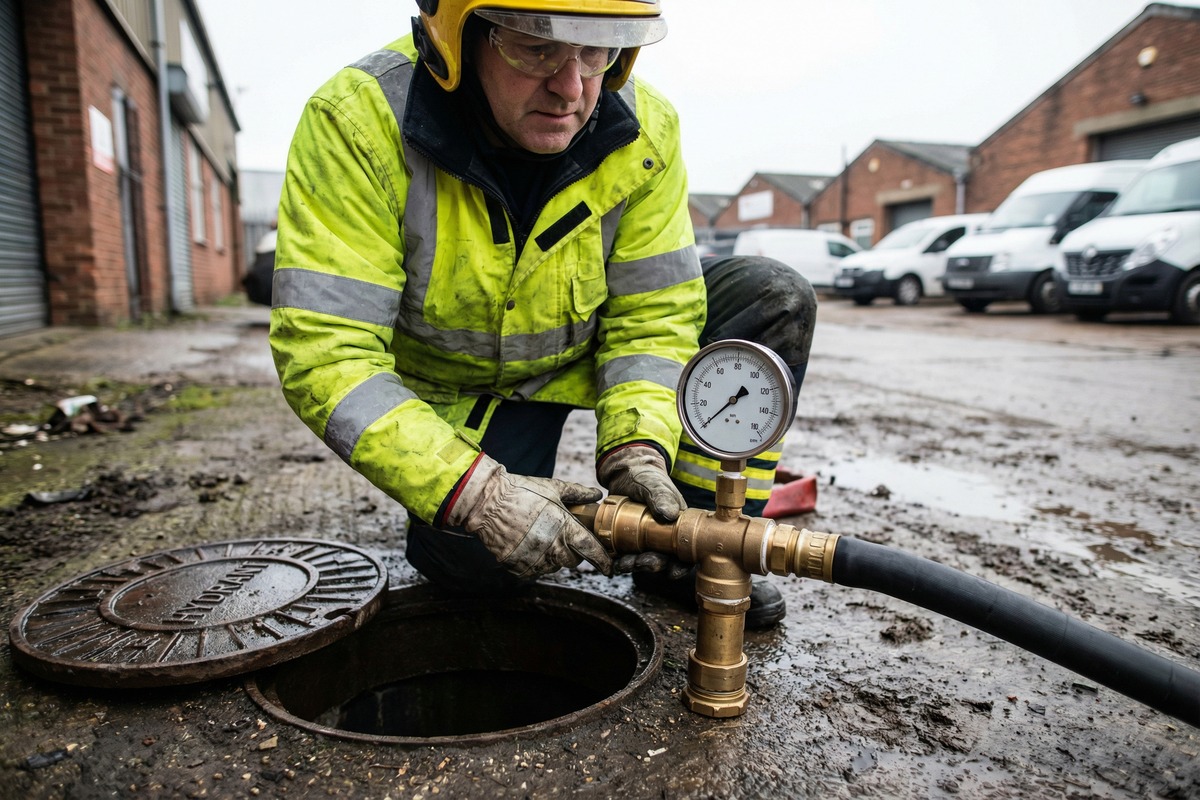
C & H Fire Protection supports private-site fire hydrant installation projects across Essex, London and the South East. Start with the site layout, water-supply information and the purpose of the proposed work so the installation scope can be defined before a quotation.
New hydrants, extensions and alterations need a different brief from the inspection of an existing system. If you need checks on hydrants already in service, see our fire hydrant testing and certification service. Larger or specialist projects outside our primary area can be discussed individually.
Confirm who owns or controls the private-site system and which approvals or supply arrangements need to be resolved. A hydrant installation enquiry should identify these interfaces before responsibilities and programme are agreed.
What to include in a hydrant installation brief
Send the site address, available layout drawings, hydrant locations or proposed positions, known water-supply details and the work programme. Tell us about vehicle movements, access restrictions and whether the site will remain occupied.

Site layout and responsibilities
Identify the system owner and the parties responsible for the supply, groundworks, installation and testing. Agree what is included, what needs a survey and which interfaces other contractors will deliver.

Testing and handover scope
Ask which checks, test records and completion documents are included. Agree how outstanding items, restrictions and any follow-up work will be recorded before the project reaches handover.

Missing drawings or supply information should be identified early. A quotation should make survey assumptions, exclusions and responsibilities clear rather than treating every private-site hydrant project as the same job.
Clear scope, useful records and future servicing
The specification and relevant standards should be confirmed for the actual site and installation. A standards reference or completion document alone is not a guarantee that every aspect of a site is compliant. Keep installation records accessible for later testing and maintenance.
- Agree the installation boundary, supply information, access arrangements and other contractors' responsibilities.
- Confirm the records, test evidence and outstanding-item list that will be provided for the agreed work.

Project clarity
Define installation, testing and handover responsibilities before works begin.
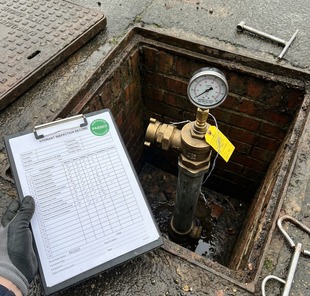
Project scope
Confirm the relevant site specification.




Ready to discuss a hydrant installation? Send your site address, drawings and programme when you request a quote.
Plan the records needed for future maintenance with our guide: Preparing for a Fire-Safety Maintenance Visit.
Hydrant Installation Questions
This page covers private-site installation, extensions and alterations. For hydrants already in service, use the separate fire hydrant testing and certification page so the quotation reflects the work you actually need.
Share the site address, layout drawings, proposed hydrant positions, known supply details, project programme and access restrictions. If information is missing, flag it so survey requirements and assumptions can be discussed.
Responsibilities should be agreed in the project scope. Identify the system owner and the parties managing the supply, groundworks and interfaces, then confirm which activities are included in the installation quotation.
Ask for the test records and completion documents applicable to the agreed work, together with installation information and a clear list of outstanding items or restrictions. The exact handover package depends on the project.
Do not treat one document as a blanket compliance guarantee. Confirm what was installed or tested, the scope of the evidence and any exclusions, then consider it alongside the site's wider fire-safety arrangements.
CH Fire is based in Basildon and primarily covers London and the South East, including Essex. Larger or specialist requirements elsewhere can be discussed with the team before a project commitment is made.