
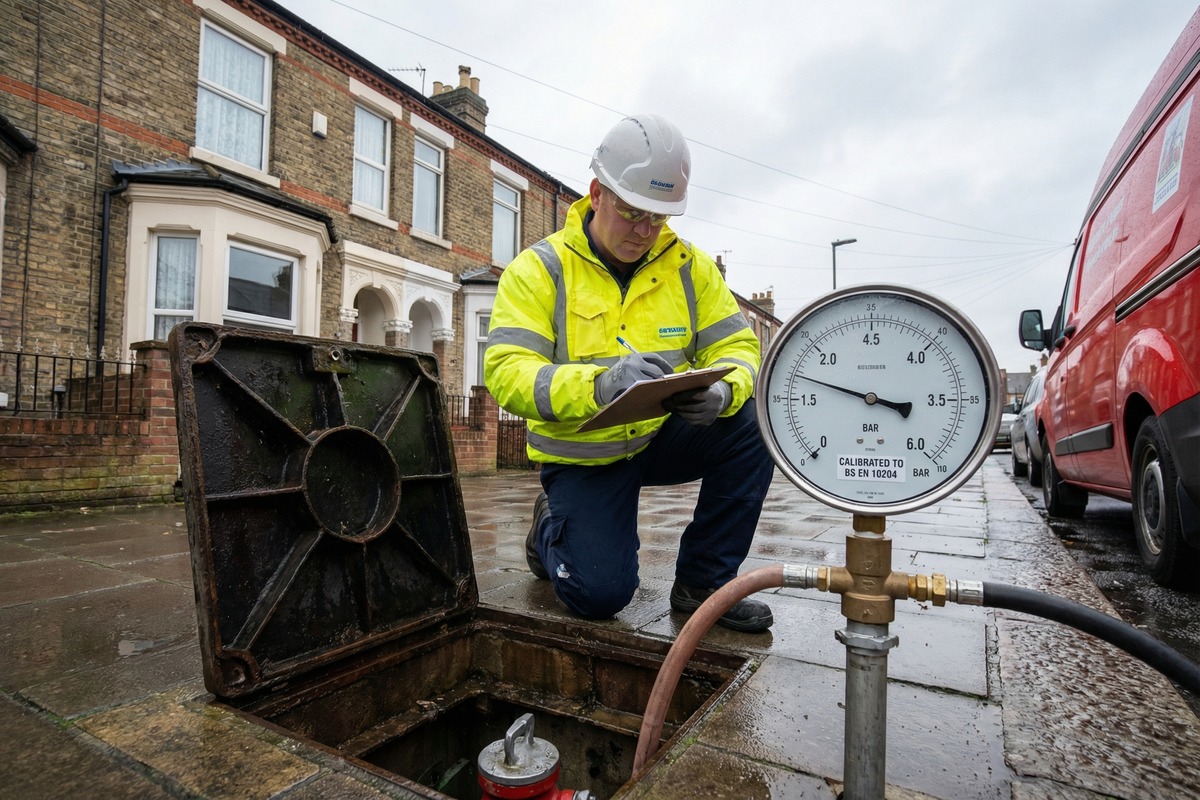
CH Fire supports private-site fire hydrant inspection and testing across Essex, London and the South East. Send the site details and existing records so the testing scope, access arrangements and required reporting can be agreed before the visit.
Confirm the hydrant and water-main ownership before arranging work. Private-site hydrants and public-main hydrants have different responsibility arrangements; the location of a hydrant alone does not settle who should arrange its inspection.
Testing an existing hydrant is a different brief from installing a new one. For new systems or alterations, use our fire hydrant installation service. For visit preparation, see our fire-safety maintenance checklist.
Planning Your Hydrant Testing Visit
Provide an asset list or site plan, the number of hydrants if known, previous test records, reported faults and access restrictions. Identify missing information so assumptions, any survey requirement and exclusions can be stated in the quotation.

Asset Locations and Access
Confirm the hydrants to be assessed, who can authorise access and any operational constraints. Flag missing records or uncertain ownership before the visit is booked.

Test Scope and Reporting
Ask the quotation to distinguish visual inspection from the tests proposed, including any flow or pressure measurements. Agree required permissions, site arrangements and the records to be supplied; do not assume every quotation covers identical work.
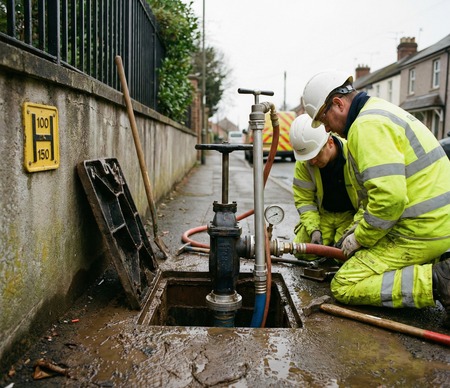
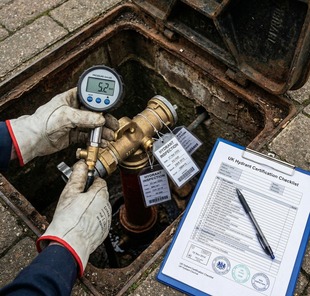
Agree the report or certificate required by your facilities team, insurer or project brief before work starts. Clarify whether remedial work, additional visits or re-testing are included or separately priced.
Standards and Test Evidence
BS 9990 provides recommendations for non-automatic fire-fighting systems in buildings. BSI's current overview describes its design, installation, testing and maintenance scope. Confirm the applicable edition and site requirements with a competent specialist; a reference to a standard is not a claim of third-party certification.
- A defined list of hydrants, inspection and testing activities, access requirements and exclusions.
- Records identifying results, limitations, defects and agreed follow-up actions for the assessed assets.

Compliance-Led Delivery
Agreed testing scope, recorded findings and clear follow-up responsibilities.
BS 9990
Key standard reference for this service area: BS 9990.




Need support with fire hydrant testing & certification? Request a Quote
Fire Hydrant Testing & Certification FAQs
Send the site address, number and locations of the hydrants if known, the latest inspection or test records and any reported faults. Include access arrangements, the site contact and any required report or certificate format. If ownership, asset locations or the previous testing scope are unclear, flag this so the team can clarify the brief before pricing.
Confirm who owns the hydrant and the water main before arranging work. Royal Berkshire Fire and Rescue Service explains that private hydrants on private mains are the responsibility of their owners or occupiers, rather than that service or the local water company. A hydrant on a public main is a different case; ask the relevant owner or authority to confirm responsibility rather than relying on its location alone.
Agree the maintenance programme with a competent specialist using the applicable standards, site requirements and existing records. BS 9990 is a relevant reference for non-automatic fire-fighting systems; see BSI's BS 9990 overview. A routine visual check and a specialist test are different activities. This page does not set a universal interval or provide instructions for operating a hydrant.
Agree the document required before the visit. Ask it to identify the hydrants assessed, the date, scope and results, any limitations or defects, and follow-up actions. Loughborough University's hydrant guidance gives an example of inspection and test record content for its own estate, including results and subsequent action. Confirm the scope of any certificate: it should not be read as approval of the whole site or of work outside the recorded assessment.
No. This service is for inspection and testing of existing private-site hydrants. New hydrants or changes to a system need a separate installation brief; see our fire hydrant installation service. Ask quotations to distinguish testing, remedial work, installation and any water-supply work so responsibilities and exclusions are clear.
CH Fire is based in Basildon, Essex, and primarily supports sites across Essex, London and the South East. Larger or specialist projects elsewhere can be discussed individually. Send the site address and testing brief so the team can confirm coverage and the proposed scope.